
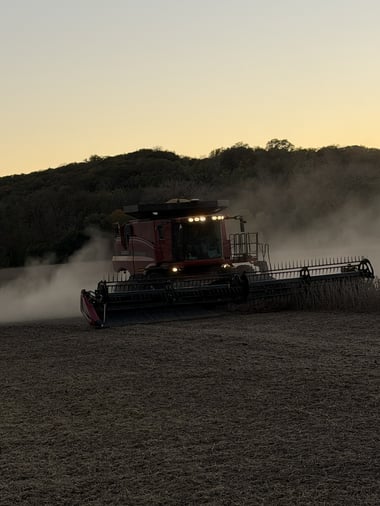
Harvest in Iowa is nearing completion, and soon there will finally be time to think about the future. Farm families spend much of the year focused on the next crop, the next season, and the next repair. Winter is a natural time to step back and look at the bigger picture.
Could your family benefit from planning in any of these five areas?
1. Retirement Planning
Many farm operations spend years focused on growth and the day-to-day demands of the business. But what does retirement look like for you?
Depending on how your operation is structured, options such as Traditional IRAs, Roth IRAs, SEP IRAs, SIMPLE IRAs, and 401(k) plans may help you build financial security beyond the farm. Each has different contribution limits, tax treatment, and rules, and the right fit often depends on whether you have employees and how your income varies from year to year.
Questions to consider:
- If the farm is your largest asset, how much of your retirement depends on selling or renting it?
- Are you saving outside the operation, too?
- When would you like to step back, and what would you like to do with that time?
2. Business Succession
Many farmers joke that they’ll never retire. Even so, there will come a day when someone else is making the major decisions. A successful transition takes years of planning and development, not months.
Succession is about more than who gets the land. It covers who will manage the operation, who will take on the financial risk, and how and when decisions will be handed over. Whether the successor is a family member or a key employee, they need time to build the skills, relationships, and credibility to lead. Families with both farming and non-farming heirs also face the question of how to be fair when “fair” and “equal” aren’t the same thing.
Questions to consider:
- Are you preparing the next generation to take over the operation?
- Has your family talked openly about expectations, roles, and timing?
- Does everyone involved understand the plan, or are there assumptions that haven’t been spoken aloud?
3. Risk Management
Farming comes with risks. Livestock, grain bins, heavy equipment, distracted drivers on rural roads, and countless other hazards are part of the job. Disability insurance and life insurance can help protect your family and your operation if the unexpected happens.
Many farm families carry strong property and crop coverage but have fewer protections for the people who make the operation run. If a key person were injured or passed away, the farm would still have loans, leases, and day-to-day expenses to cover. Insurance can also be used to provide liquidity or to treat heirs fairly when the farm is going to one child.
Questions to consider:
- If something happened tomorrow, would the people who depend on you be financially prepared?
- Who would run the operation in the short term?
- When did you last review your coverage, including liability protection?
4. Estate Planning
At some point, someone else will own the assets you have spent a lifetime building. A well-built estate plan helps make sure your land, equipment, and other assets pass to the people and causes you care most about, in the way you intend.
For many farm families, that means more than a will. A thorough review often includes powers of attorney, health care directives, beneficiary designations, how assets are titled, and any business entities or trusts involved. Because land is hard to divide and often illiquid, a plan can help avoid forcing a sale to settle the estate. Tax laws and family circumstances change, so documents written years ago deserve a fresh look.
Questions to consider:
- Do your current estate documents reflect your wishes today?
- Do your beneficiary designations match your will and overall plan?
- Do your heirs know where to find important documents and who to call?
5. Charitable Giving
Many farm families have been shaped by organizations that invested in them along the way, such as FFA, 4-H, their church, or their alma mater. There are often ways to support these organizations that go beyond simply writing a check.
Depending on your situation, strategies such as gifting appreciated assets, donor-advised funds, qualified charitable distributions from IRAs, or including a charity in your estate plan may allow you to give more effectively. Thoughtful charitable planning can benefit both the causes you care about and your overall financial plan.
Questions to consider:
- Which organizations have made a difference for your family?
- Would you like to give during your lifetime, through your estate, or both?
Getting Started
You don’t need to tackle all five at once. A good first step is to pick the one that feels most pressing, or the one you’ve been putting off the longest, and start a conversation with your spouse, your family, and your trusted advisors. A financial planner, attorney, tax professional, and insurance agent can work together to make sure the pieces fit.
Final Thoughts
Having a well-thought-out plan can help everyone move toward common goals and provide greater peace of mind along the way. As winter approaches, take advantage of these available days to think about the future of your family, your farm, and your legacy. Let us know if we can be of assistance by contacting us online or at (515) 225-6000.


